
Abstraction and Ourselves
Have you ever walked into an exhibition and felt like there’s a conversation happening that you aren’t a part of but want to eavesdrop into? I sure have, and I work in museums. Curators like me often forget that we talk and think “inside baseball” all the time, willfully or unwilfully unaware of the rich diversity of our visitor’s experiences and backgrounds often different from our own. I’ve found this especially true when I visit many abstract art exhibitions. One of my earliest memories of abstract art was when I was 9 years old at the National Gallery of Art with my elementary school. I stood in front of a Mark Rothko painting and I was mesmerized. One of our chaperones, a house painter from rural Pennsylvania, walked up to me as I was staring at the Rothko painting and said, “Well hell, I could paint that!”
This memory has stayed with me all of my life, and looking back as I write this, it may be what guided me in making Abstraction and Ourselves with my colleagues at the CAT. The memory reveals that I could be 9 years old and be pulled into a Mark Rothko painting intended for feeling pure emotion at the same time as I could absorb my chaperone’s commentary on the ambiguity of abstract art. Abstraction and Ourselves is an attempt to square both experiences in my mind, both valuable and true. Abstraction is the expression of thoughts, feelings, and experiences. As viewers, we experience abstraction from our own thoughts, feelings, and experiences. In this way, abstract art is for everyone, holding space for all of our selves.
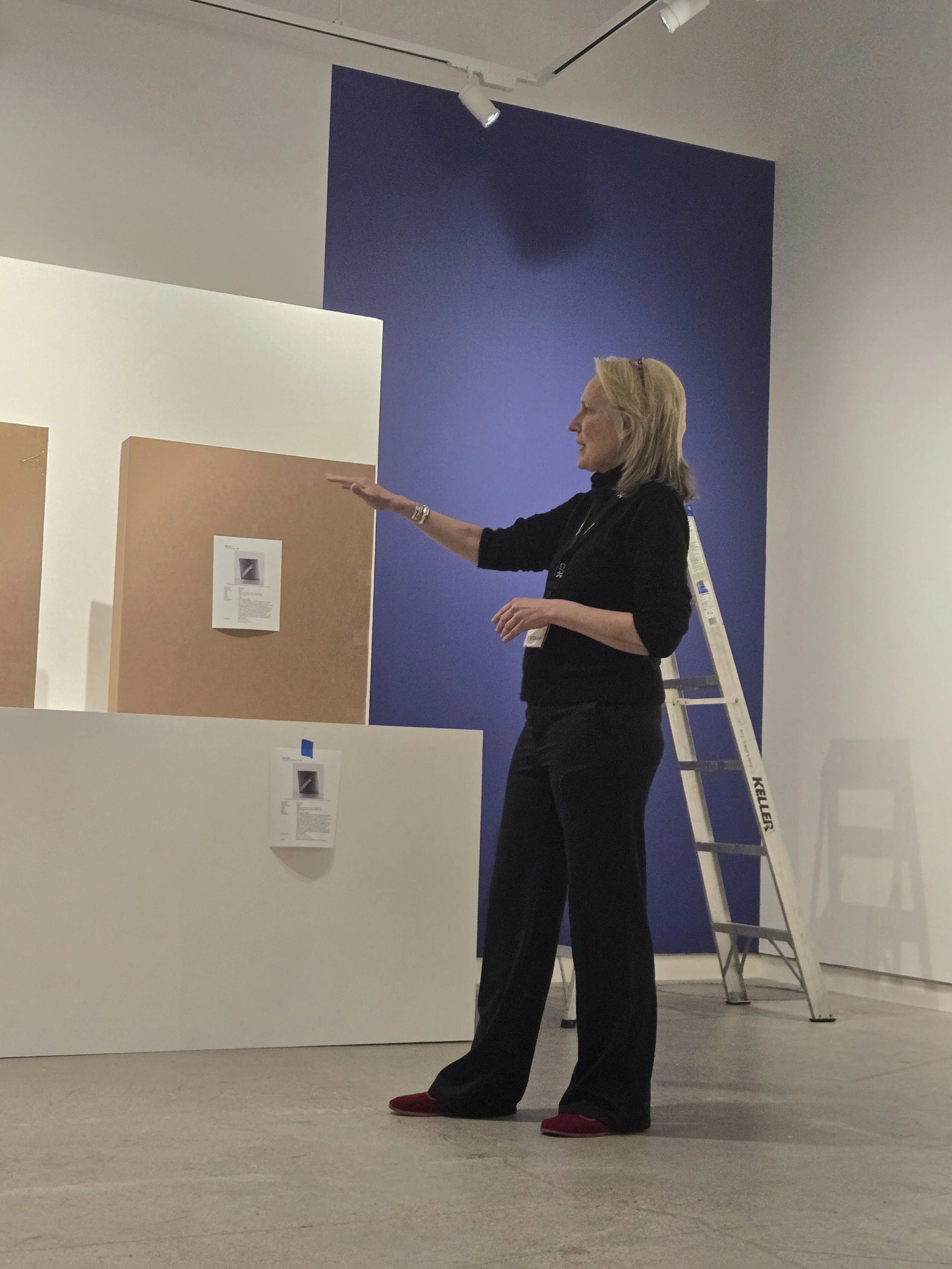
Photo credit: Jason Skupien
Abstraction and Ourselves pairs our world-renowned abstract glass sculpture with large abstract painting, the first show of its kind. Come to our museum and stand in front of a monumental scale Helen Frankenthaler painting by yourself or with friends and family. Take a moment to reflect upon your own perceptions and feelings and, if you are with others, ask them about theirs. Learn about Frankenthaler as an artist and her innovative mastery so very ahead of her time. Look closely at one of our Stanislav Libensky and Jaroslava Brychtova sculptures and experience the sublime color and light pouring out from within. Listen to artists discuss their work through audio recordings in the gallery and eavesdrop into the conversation artists are having about abstraction.
Abstraction and Ourselves offers the chance for all of our visitors to acquire or reaffirm their own relationships with abstraction. Let the exhibition be a place for self-reflection, awareness, and connection during these momentous times, with abstract art and ourselves.