
Listening to Artists
At the CAT, we are always thinking about ways we can contribute to making museums better. We are a small but mighty museum. We are constantly seeking to innovate and improve curatorial practices, present art in new ways, and create original, fresh exhibitions that you can’t find anywhere else. For Abstraction and Ourselves, we wanted to do something different with the interpretation of the art in the gallery. We knew that we wanted to offer label texts for each work of art in the gallery, something standard in most art museums, but we also knew labels have limitations. These texts provide our visitors small glimpses into the context, history, and interpretation of a work of art. Label texts hold power: they can frame the way a viewer thinks and feels about a work of art. And curators hold great power writing these texts: our interpretations often are read as fact. In a way, curators have a lot in common with detectives. We carefully research, uncover clues, and follow the evidence to put pieces of the puzzle together.
Some of the most rewarding clues came from the artists themselves. Abstract art, itself a complex topic, means different things to different people, yet artists working in abstraction often have a clear understanding of what it means to them. Abstract art contains multitudes: it is neither one artistic movement, as art history has claimed in the past, nor is it static. Abstract art, and our understandings of it, is a dynamic, ever-expanding field, largely because it has always been changing in the hands and hearts of artists. Artists who share their points of view on abstraction offer unexpected clues in this unfolding story. They offer us, as curators and viewers, new ways to interpret our own expectations and definitions of abstract art.
Following this lead, we decided to include artists’ voices in our interpretation of the exhibition. For artists who have passed (Georgia O’Keeffe, Edith Carlson, Stanislav Libensky, Jaroslava Brychtova, Helen Frankenthaler, and Rita Letendre) and for a few living artists (Udo Zembok, Joan Snyder, Patricia Treib), we found quotes that packed a punch, delivering their views of abstraction in succinct summation. For the rest, we incorporated their actual voices.
Hearing directly from artists holds power. Artists think and feel deeply about their work, and their vantage points often become obscured or filtered through the lens of a curator, a museum, or a gallery. Abstraction and Ourselves was a project that, at its very core, offered abstract art for all of us, including artists. In the audio recordings below, five artists generously offered their own perspectives on their artwork featured in the exhibition, and on abstraction. These recordings reveal that abstraction is a concept and a practice that is personal, social, dynamic, ever-changing, and multi-layered, like all of us are.
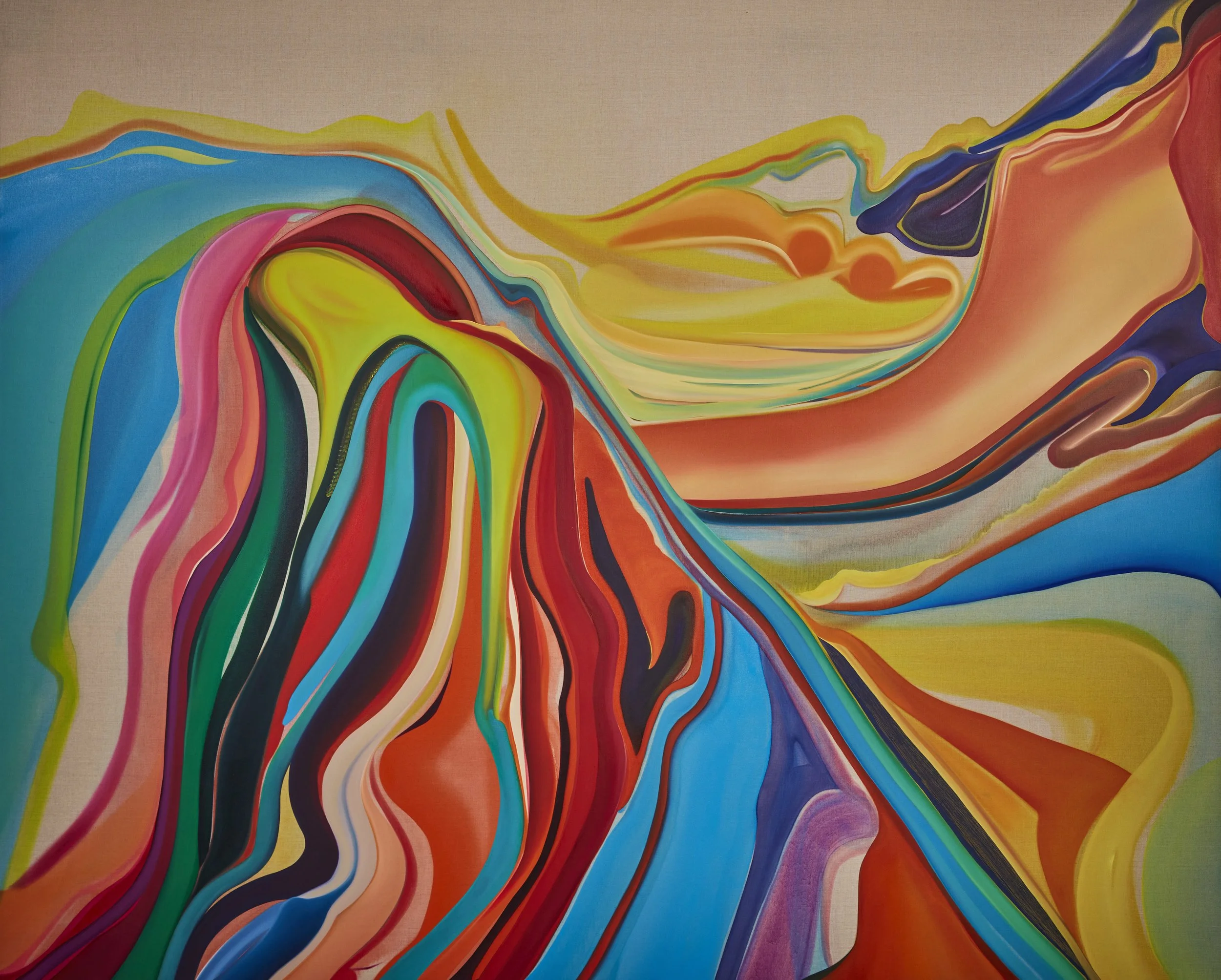
Jin Jeong, Monument Valley, 2022, Oil on linen, Cafesjian Art Trust Museum 2025.420.1.
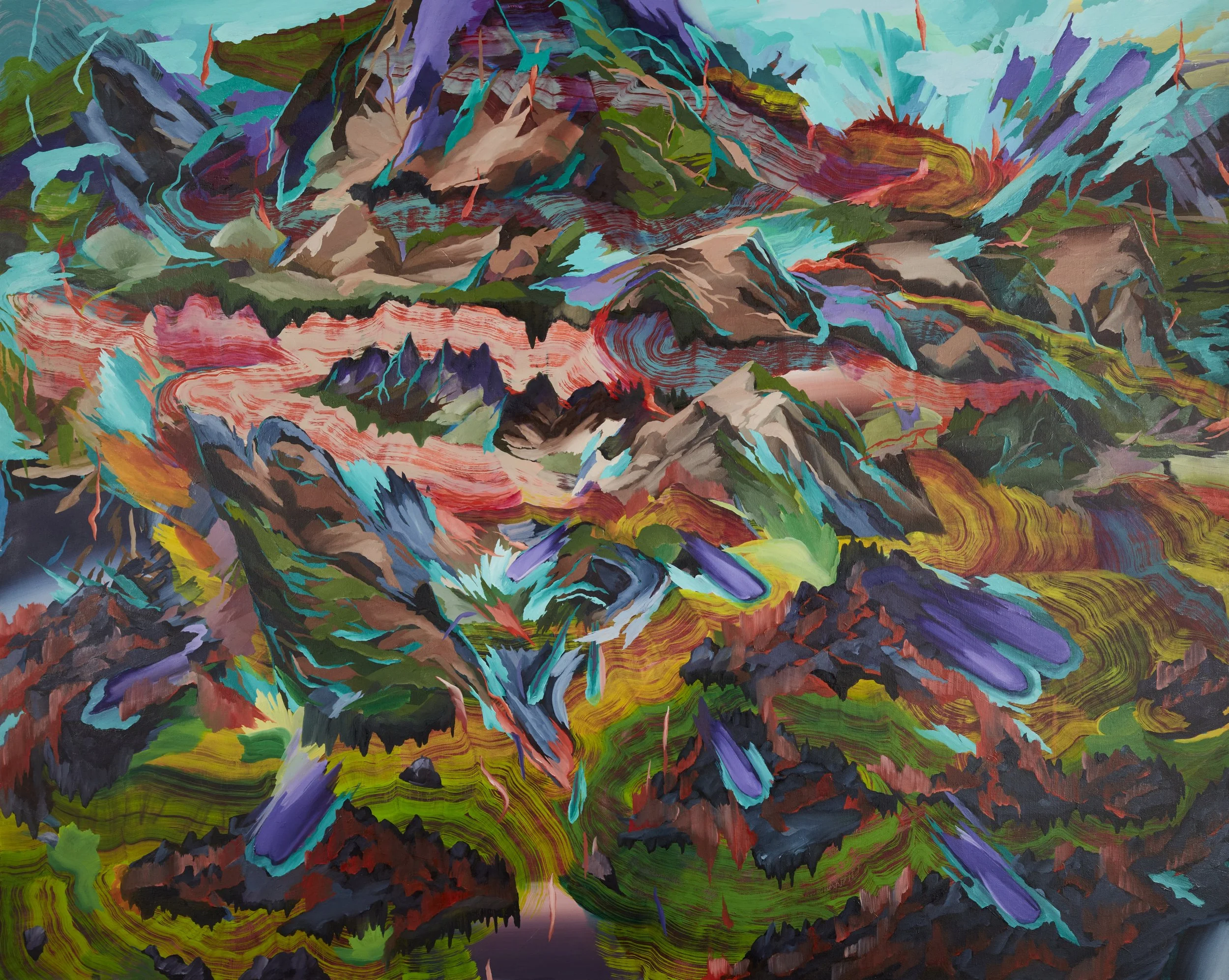
Steven J. Yazzie, Erupter, 2024, Oil on canvas. Cafesjian Art Trust Museum 2025.429.1.
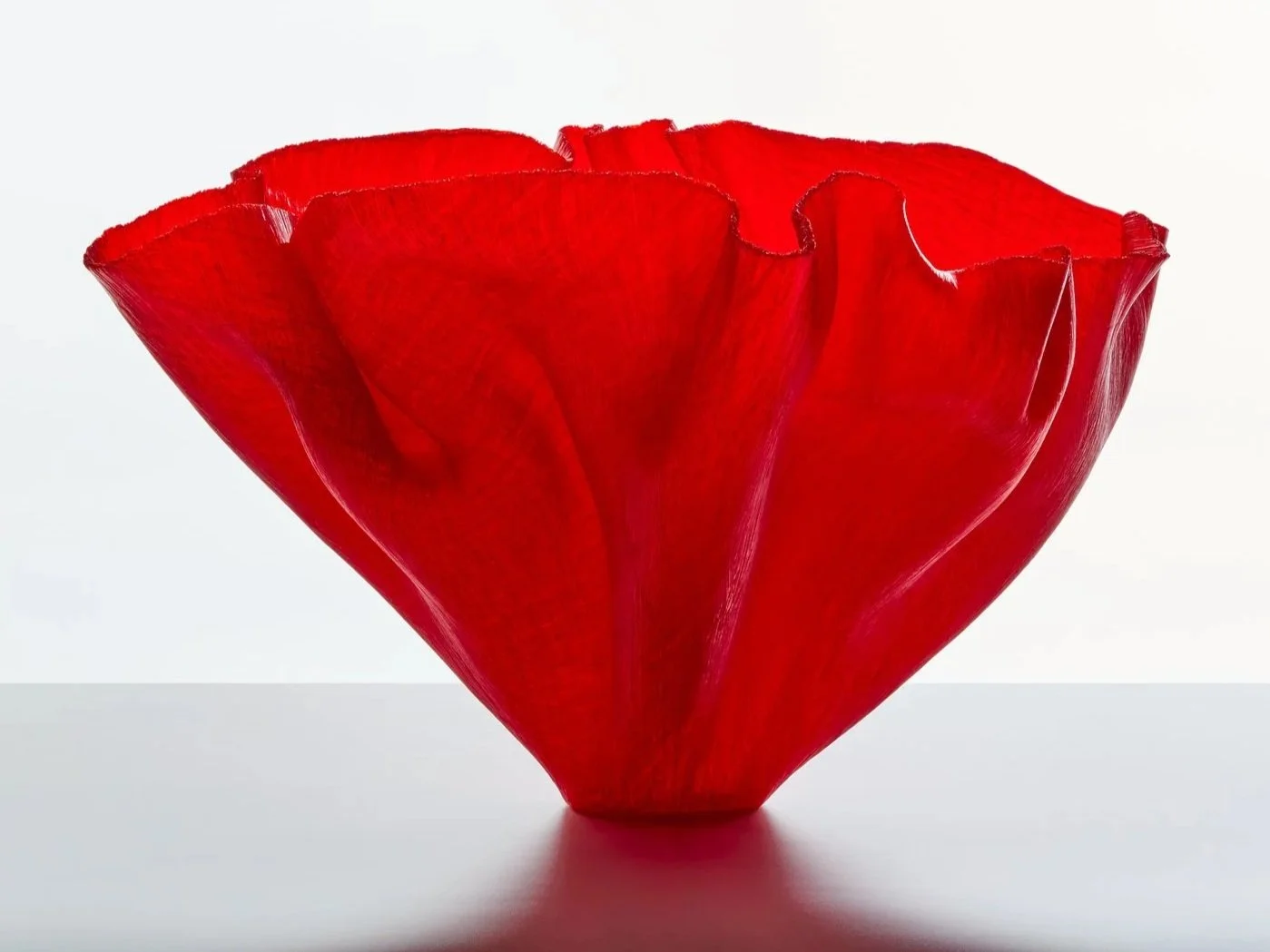
Toots Zynsky, Carmen Mizimah, 2005, glass. Cafesjian Art Trust Museum 2022.10.2.
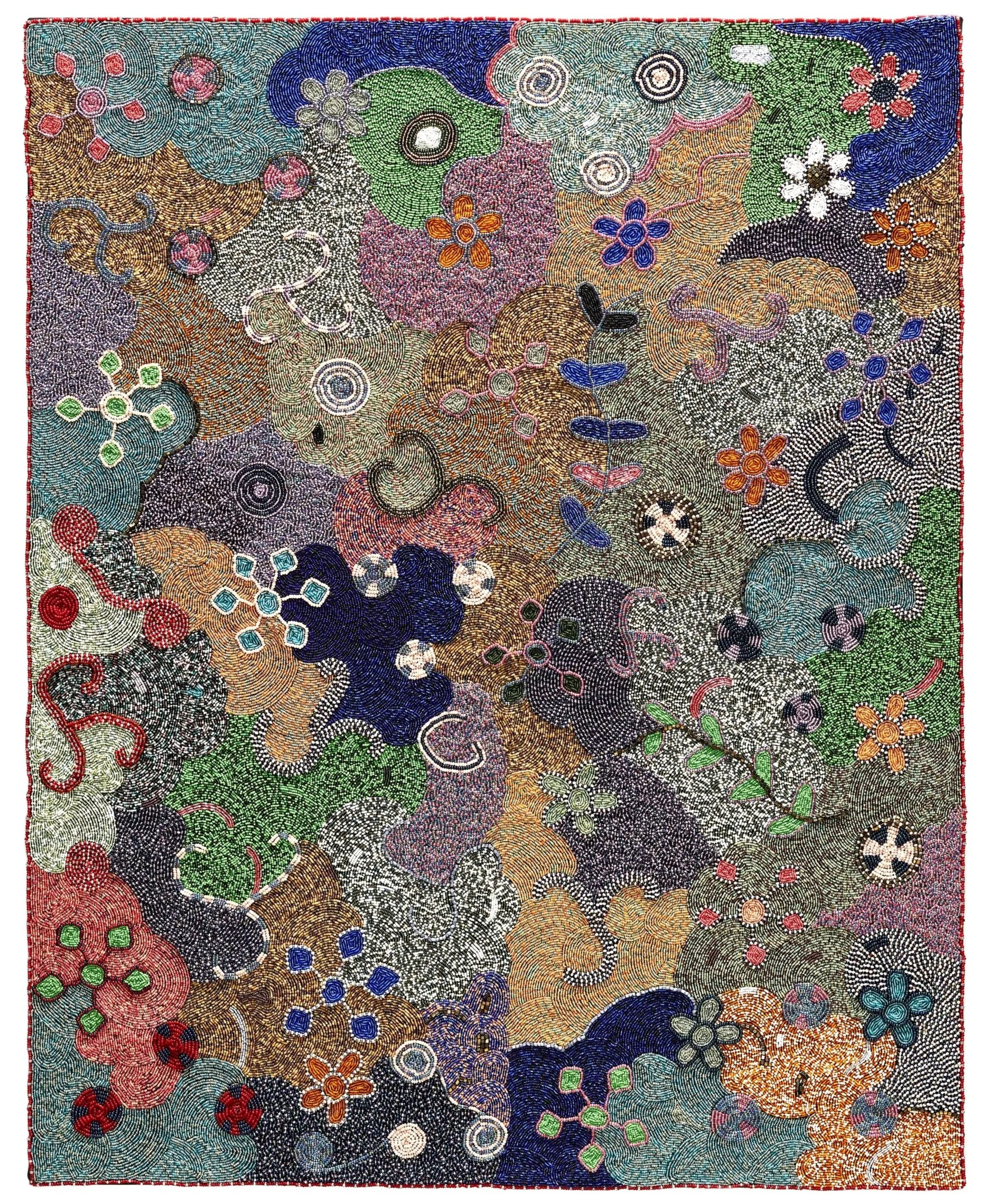
Thando Ntobela, Puzzles Circles and Patterns, 2019, Glass beads on canvas. Cafesjian Art Trust Museum 2025.414.1.
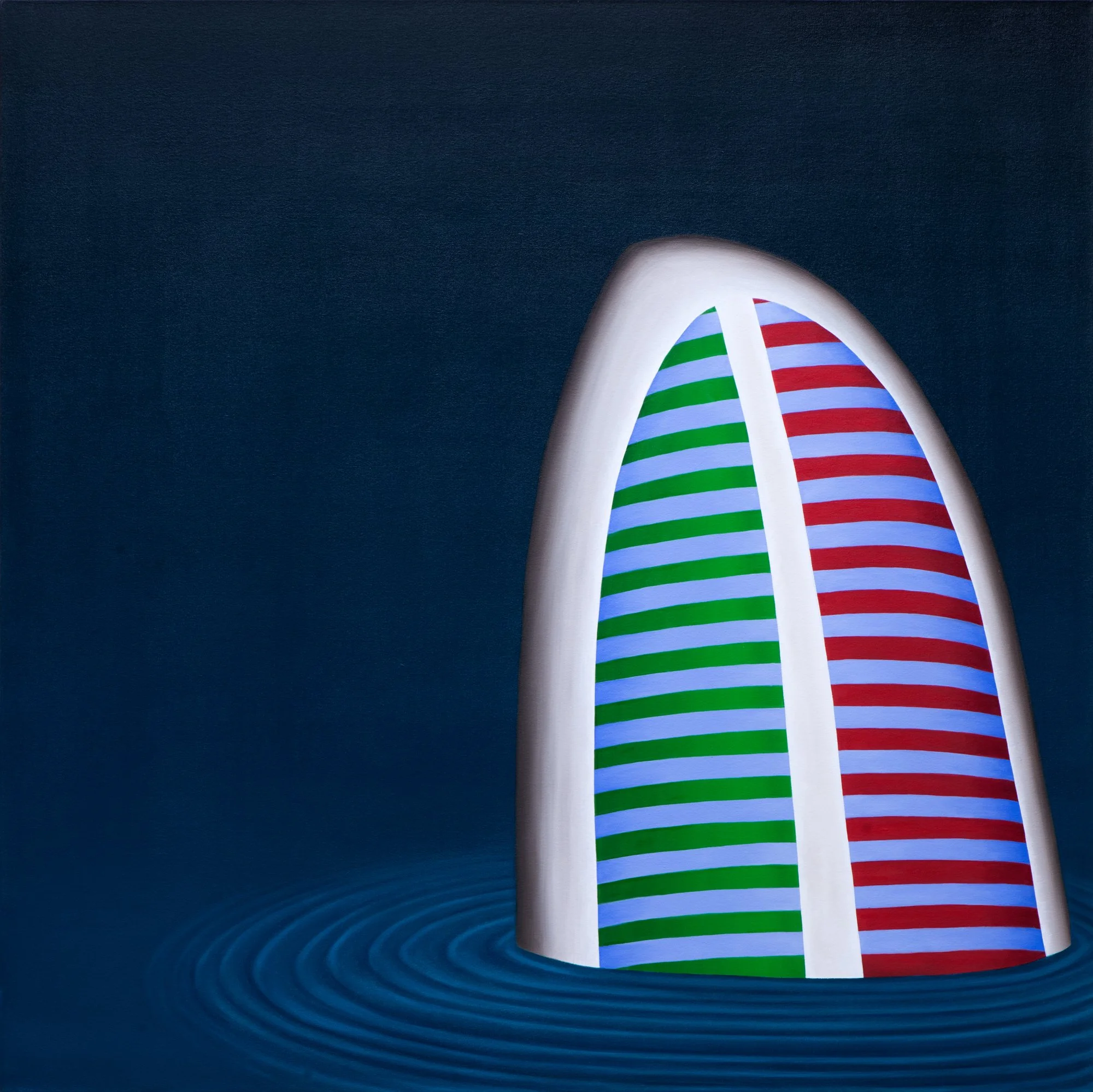
Dyani White Hawk, Self-Reflection, 2011, Oil on canvas. Dyani White Hawk. Courtesy of the artist, Bockley Gallery, Minneapolis, MN and Alexander Gray Associates, New York, NY.